
Common Misconceptions About Podcasting
When the TESOL Pop podcast launched in 2018, I didn't expect it to evolve into an ongoing project, build a worldwide listenership, or share my experience to help others start their podcasting journey. While the following misconceptions relate to frequently asked questions about podcasting, I also thought they were true when I first started recording.
In this blog, I will tackle the top five misconceptions I frequently encounter to help you visualise how you could use a podcast to support your work or business.
A podcast needs to be ongoing.
When I started the TESOL Pop podcast, the initial plan was to create a standalone season of ten episodes that tackled questions and topics for my trainee teachers at the time.
I certainly did not think that I'd be podcasting five years on and recording for season 7.
What's more, I didn't expect episodes from season 1 to still attract plays years after their release, especially considering the quality of the audio recordings back then.
A podcast can be a standalone project, not a weekly production. Taking time to think about the purpose of your podcast, the audience you serve, and what is sustainable for you will help you to identify what works for you.
It also allows you to explore podcasting as a creative project, where you can commit to a season of several episodes to test a concept and whether podcasting is right for you.
2. A podcast must be a specific length.
I often get asked, 'How long should my podcast be' quite often by my clients. This is a great question. However, there is no one size fits all solution. Neither is there an optimal length of time for a podcast episode.
When you are planning and editing your podcast content, ask yourself the following:
How does this episode serve my listeners?
Whether it is an hour long or 10 minutes, does the content provide great value to your audience, or can some parts be cut?
Is this delivering what I promised my listeners?
For example, is the content of the episode fulfilling what you conveyed in the episode title, description, and what you mentioned at the start of the episode?
Can I replicate it?
It's great to keep your episode length consistent for your listeners. For my podcast, TESOL Pop, episodes are under 15 minutes for listeners, so the teachers who listen can fit it into their commute or coffee break.
3. Publishing a podcast is enough.
Publishing and distributing your podcast to popular podcast platforms is not enough if you want people to tune in. Thinking about how you tell people about your podcast and new episodes is important in attracting listeners and encouraging them to return.
Marketing can look different from podcast to podcast, but a good place to start is to ask yourself where your ideal listeners hang out.
For example, what social media platforms do they often use to consume the type of content your podcast provides, what publications do they read, what other podcasts do they listen to, or what events do they attend?
Pinpointing where your audience is and adding value to those spaces will help attract listeners to your podcast. This creates great collaboration opportunities, whether it is being a guest on another podcast, writing a short article for a magazine or online blog, or sharing your expertise at an online or in-person event.
4. You can monetise a podcast easily.
There are many ways in which you can monetise your podcast or use your podcast to support your business; however, it often takes time to build, and you will need to consider which option is best for you.
A few ways in which you can monetise your podcast are:
Sponsorship - where a company pays you to advertise their product or services in your episode.
Member subscription - where listeners can access additional content and perks by paying a monthly subscription.
Selling products and services - where you inform your listeners about the services or products you offer that relate to their needs. This is a great opportunity to reward your listeners with special discount codes.
To learn more about the many ways in which we can monetise and what to keep in mind when strategising, check out this recap of my chat with fellow podcaster, Holly Cope, here.
In my case, I have used my podcast to sell tickets to training workshops. This has worked for me, as long-term listeners of the TESOL Pop podcast know and trust me as someone who provides valuable learning experiences.
5. You need a professional studio to record.
I often hear this from clients who want to create video or podcast content. As you can see and hear from this recording, you don't need a professional studio to capture high-quality audio-visual content.
A good place to start is to access what you already have access to and build from there.
To start a podcast, you need:
A place to publish your podcast. Perhaps you already have a website where you can host your podcast. Alternatively, you could opt to host your podcast on Spotify, YouTube, or a similar platform that enables you to host for free.
A device to record and edit on. I find it easier to record and edit on a laptop or desktop due to the larger screen size, but you could use a mobile device if you prefer.
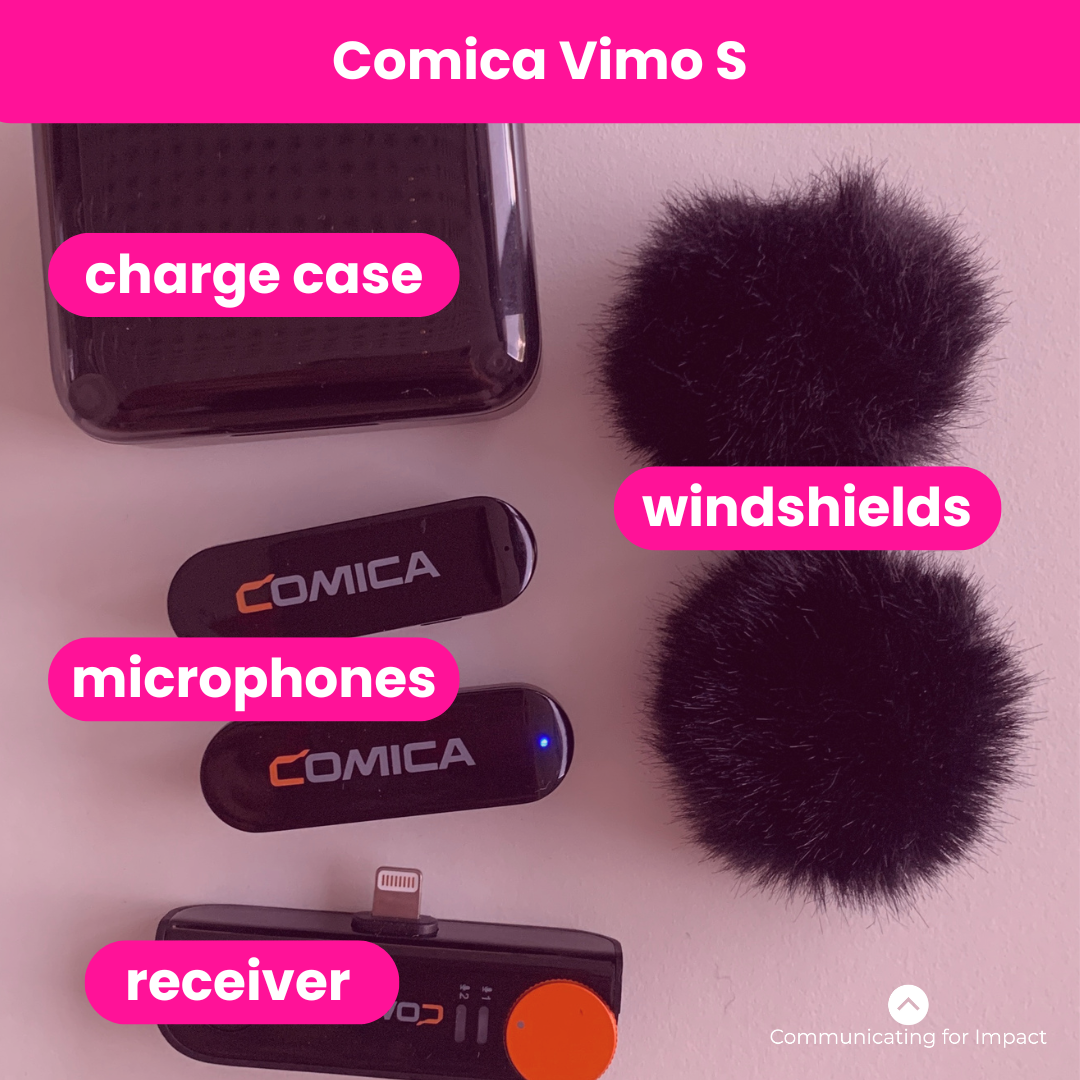
A microphone. A microphone that you can plug directly into your device and move around easily so you can position it closer to you is the most reliable option, in my opinion. Again, this doesn't have to be an expensive device - I didn't invest much in my set-up until season 3 of my podcast.
A space to record. A small space with soft furnishings will help you capture the best audio quality. If you are recording audio only, it doesn't matter if it looks silly as long as it is a safe space and not a hazard. This is why most of season 1 of the TESOL Pop podcast was recorded in a cupboard.
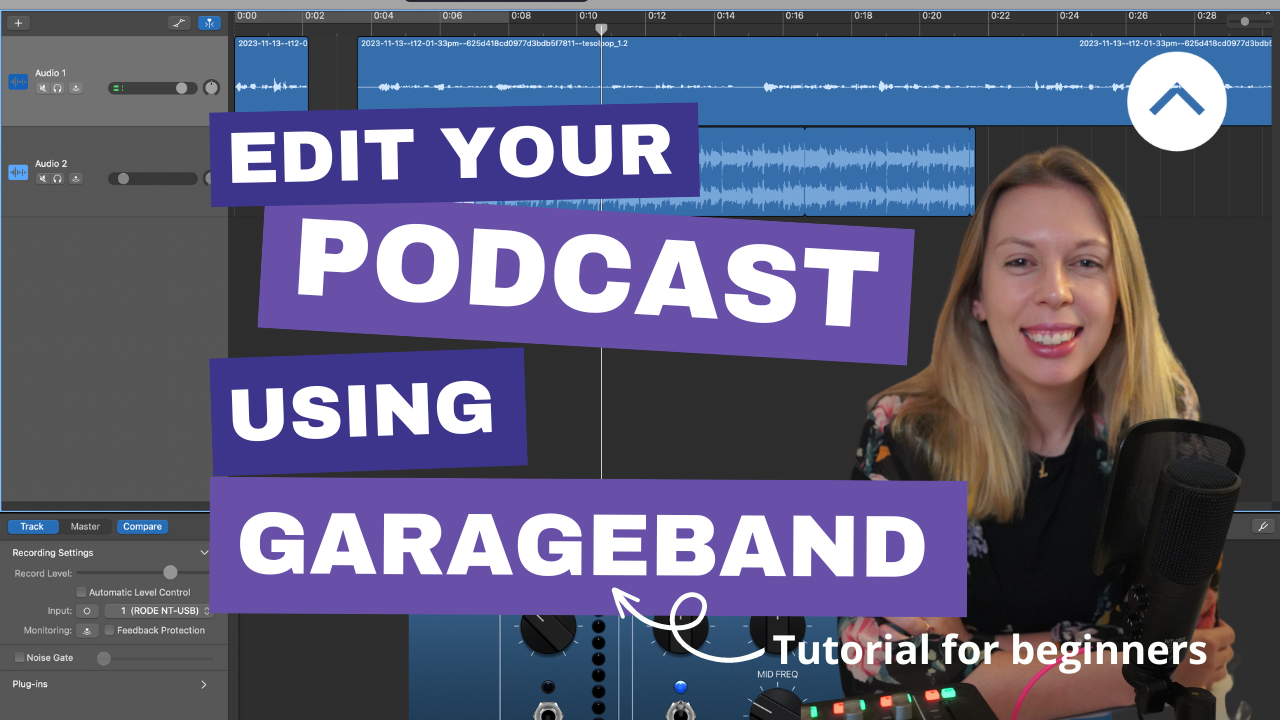
Editing software. You will need this to edit your footage and add music if you wish. Many free options are available, such as GarageBand, which is built into Apple devices, or Audacity, which can be used with Apple, Windows or Linux operating systems. You may need to take some time to learn how to use the software, but I have found the time I have invested in learning editing software has paid off.
The problem with misconceptions is that they often cause people to hesitate or not try podcasting at all. Moreover, misconceptions around marketing and monetisation risk new podcasters becoming disheartened as it takes time and consistency to grow an audience. By sharing the skills I've gained over the years, I help professionals harness new media like podcasting to share their ideas, build connections, and make a bigger impact. Book a free chat with me here to learn more about how I can help you level up your communication and media skills.
Watch the video instead here.
Looking for more resources to inspire to record?